How Should Shirts Be Washed and Stored?

Shirts are indispensable pieces in both daily wear and business attire. However, if they are not washed and stored correctly, their fabric can wear out quickly, and their form may deteriorate. To prolong the life of your shirts and maintain their original appearance, you need to follow the right methods of care. In this article, we’ll explore in detail how to wash and store shirts properly.
Washing Shirts: Step-by-Step Guide
1. Check the Label Instructions
Before washing your shirt, always check the care label . Some shirts are suitable for machine washing, while others require hand washing or dry cleaning. Following the manufacturer’s recommendations will help maintain the shirt's quality and shape.
2. Separate Colors
Always separate light and dark-colored shirts before washing. This prevents color bleeding and keeps your white shirts from turning dull or grayish. You can also use color catcher sheets for extra protection.
3. Pre-Treat Stains
For stains around the collar, cuffs, or armpits, apply a gentle stain remover or mild detergent directly to the area before washing. Let it sit for a few minutes to break down the stain.
4. Choose the Right Program and Temperature
Use the delicate or cotton program on your washing machine, depending on the shirt’s fabric. Preferably wash shirts at 30-40°C (86-104°F) to avoid shrinkage or fabric damage. Higher temperatures may be used for white cotton shirts, but always check the label first.
5. Use a Mesh Laundry Bag
Washing shirts inside a mesh laundry bag can reduce friction and prevent buttons or seams from getting damaged. This is especially useful for shirts with delicate fabrics or details.
6. Don’t Overload the Machine
Wash your shirts in small batches. Overloading the machine can cause wrinkles, misshaping, and poor cleaning results.
7. Dry Carefully
Remove the shirts from the washing machine immediately after the cycle ends. Shake them out and hang them on hangers to air dry. Avoid using a tumble dryer, as the heat can damage the fabric or shrink the shirt.
Ironing Tips for Shirts
Iron your shirts while they are still slightly damp for best results. Use a steam iron on the appropriate temperature setting for the fabric type. Start with the collar, then move to the sleeves, cuffs, and body. Hanging the shirt right after ironing will help preserve its form.
GET INFORMATION ABOUT SHIRT CARE & MAINTENANCE
How to Store Shirts Properly
1. Use Hangers
The best way to store shirts is by hanging them on wide, padded hangers to maintain shoulder structure. Thin wire hangers may distort the shirt’s shape over time.
2. Button Up Before Hanging
Buttoning the top button and one or two buttons near the bottom helps the shirt stay in shape while hanging.
3. Store in a Cool, Dry Place
Keep shirts in a wardrobe with good air circulation. Avoid damp, humid areas to prevent mold and unpleasant odors.
4. For Seasonal Storage
If you're storing shirts you won’t use for a long time, fold them neatly and place them in breathable storage boxes. Avoid plastic bags or airtight containers, as they trap moisture and cause yellowing over time.
Conclusion
Proper care of your shirts not only extends their lifespan but also helps you look more polished and professional. By following these practical washing and storing methods, you can maintain the color, texture, and shape of your shirts for years to come.
Similar Blogs

Key Factors Affecting Prices in Wholesale Purchasing and Common Cost Mistakes
Wholesale price factors play a critical role in purchasing decisions for fashion brands, retailers, boutique sellers, private label companies and corporate buyers. In bulk purchasing, the final price is not shaped only by the product itself; fabric quality, workmanship, production planning, logistics, order volume and market dynamics all influence the total cost.
READ MORE
5 Key Factors Affecting Costs in Bulk Men's Shirt Production
Cost calculations in high-volume men’s shirt production form the foundation of purchasing strategies for wholesalers, boutique sellers, private label brands and corporate buyers. Understanding the main factors that influence bulk production costs helps businesses manage budgets more accurately while protecting product quality.
READ MORE
Critical Elements You Need to Know for Successful Export in the European and U.S. Textile Markets
Exporting textile products to Europe and the United States requires more than production capacity and competitive pricing. Each market has its own consumer expectations, legal requirements, certification standards, logistics dynamics and brand communication habits.
READ MORE
Critical Considerations in the Wholesale Shirt Purchasing Process
Buying shirts in bulk is not only about choosing models and comparing prices. For retailers, wholesalers, corporate buyers and private label brands, the success of a shirt order depends on fit selection, fabric quality, cost planning, color variety, delivery reliability, quality control and after-sales support.
READ MORE
How Is the Quality Control Process Managed in Bulk Shirt Orders?
In bulk shirt orders, ensuring that every product carries the same quality standard is just as important as delivering the order on time. Small differences in a few pieces may create a limited issue in individual sales, but in production volumes of hundreds or thousands of shirts, these differences can turn into serious costs.
READ MORE
The Details of Quality Control Process with Akçınar Giyim in Bulk Shirt Orders
Akçınar Giyim approaches bulk shirt order quality control as a structured process that begins before production and continues until final shipment. By defining clear standards, approving samples and inspecting production stages, businesses can reduce the risk of inconsistent products, customer complaints and delivery problems.
READ MORE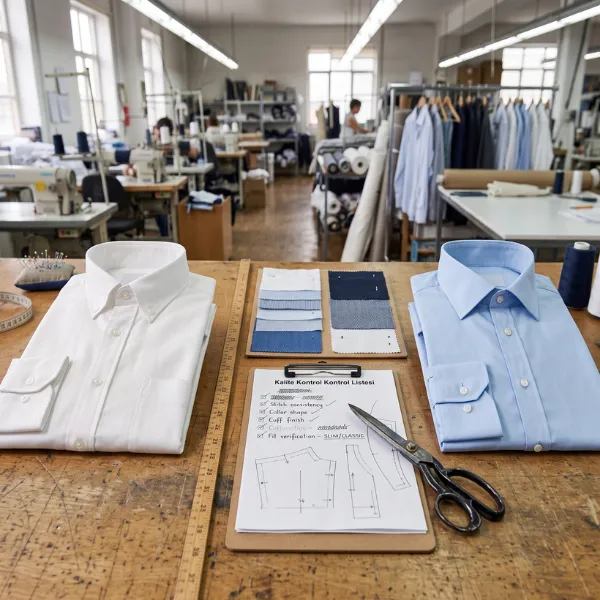
Classic and Slim Fit Men's Shirts The Details of Choosing the Right Cut for Your Brand
Choosing between classic fit and slim fit men’s shirts is an important decision for brands that want to build a strong product identity and meet the expectations of their target customers. Shirt fit affects not only appearance, but also comfort, customer satisfaction, sales performance and brand positioning.
READ MORE
The Key to Success in Bulk Men's Shirt Orders A Practical Guide from Akçınar Giyim
Placing a bulk men’s shirt order is a critical process for businesses that serve a wide customer base. From product quality and model selection to delivery planning and cost management, every decision can directly affect stock performance, customer satisfaction and long-term profitability.
READ MORE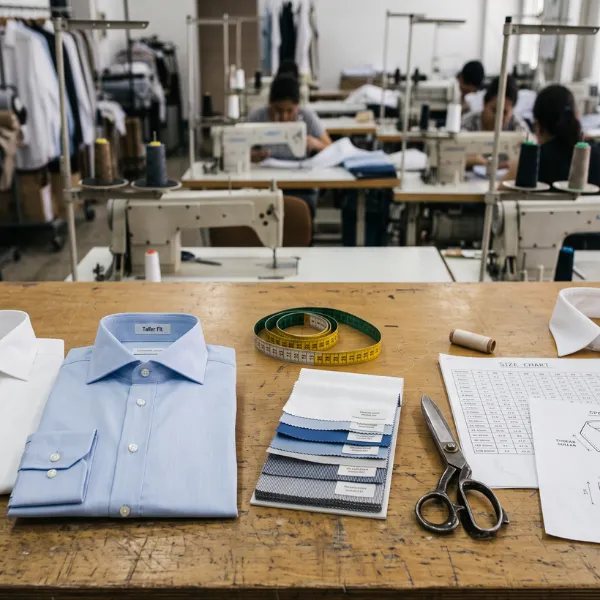
The Subtle Differences Between Men's Shirt Size and Tailor Fit Explained in Detail by Akçınar Giyim
Choosing the right men’s shirt size is one of the most important details that affects both style and comfort. A shirt may be made from high-quality fabric and have strong workmanship, but if the size or fit is not suitable for the body, it may not create the desired appearance or wearing experience.
READ MORE
Nuances of Quality Control in Shirt Production for European and U.S. Markets
Quality control in shirt production is a critical process for apparel brands, wholesalers, private label companies and retailers that target European and U.S. markets. These markets are known for high product expectations, strict quality standards and strong attention to details such as fabric performance, stitching consistency, fit accuracy and finishing quality.
READ MORE