How Is the Quality Control Process Managed in Bulk Shirt Orders?
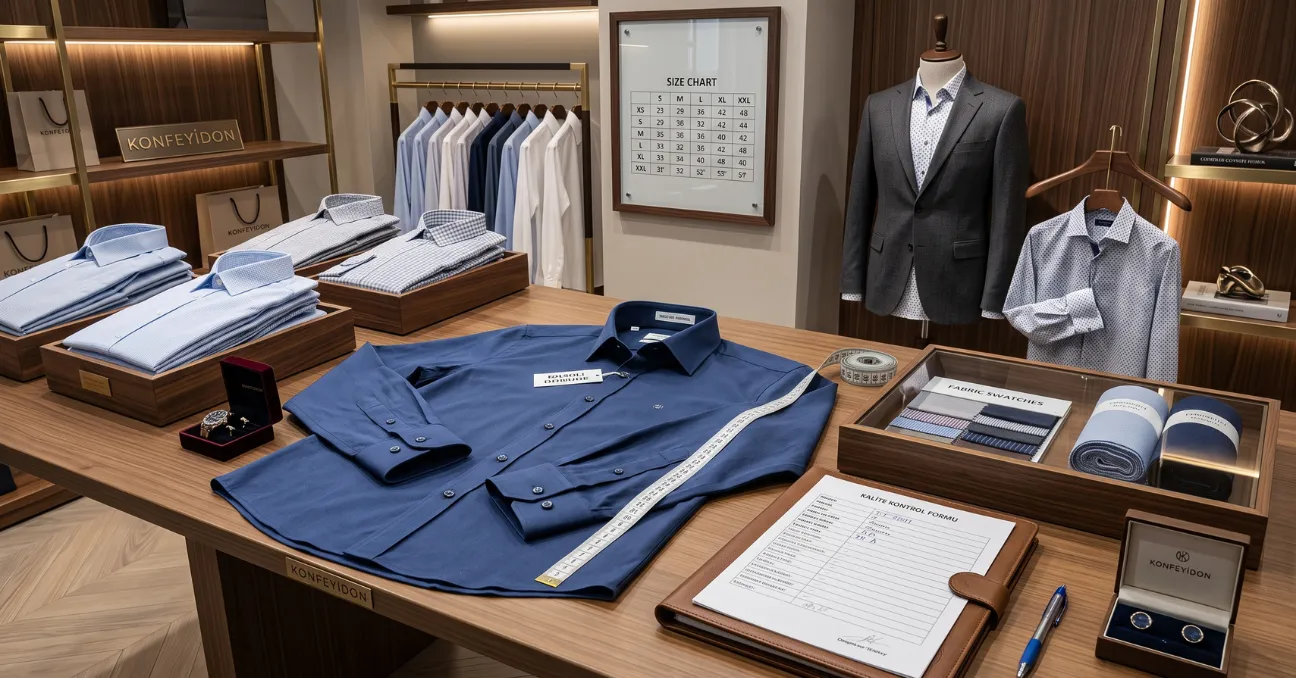
In bulk shirt orders, ensuring that every product carries the same quality standard is just as important as delivering the order on time. Small differences in a few pieces may create a limited issue in individual sales, but in production volumes of hundreds or thousands of shirts, these differences can turn into serious costs.
Measurement inconsistencies, stitching defects, fabric shade variations or incorrect labeling can directly affect customer satisfaction and brand reliability. For this reason, quality control should not be seen only as a final inspection after production is completed.
A healthy quality control process begins with defining order details, continues with sample approval and is maintained through every stage from cutting to packaging. In bulk shirt production, the key to protecting quality is creating controllable standards at each step.
Quality Standards Should Be Defined Before the Order
The first step of the quality control process is to clearly define the buyer’s expectations. The shirt model, fit, fabric type, color options, size distribution, accessories and packaging method should be clarified before production begins.
This stage is especially important in private label shirt production. Details such as neck labels, size labels, washing instructions, button color, embroidery and printing should be included in the technical file.
Instead of using open-ended expressions such as “standard size” or “quality fabric,” buyers and manufacturers should work with a clear measurement chart and acceptable tolerance values. This helps both sides move forward using the same quality criteria.
Sample Approval Creates the Reference for Mass Production
Before moving into mass production in bulk shirt orders, preparing a sample helps identify possible issues early. The sample allows the buyer and manufacturer to evaluate the pattern, body measurements, fabric appearance, collar shape, cuff structure, button placement and overall look of the shirt.
After the necessary corrections are completed, the approved sample becomes the main reference for mass production. Products prepared during production are compared with this sample to check consistency.
This method reduces misunderstandings and helps prevent large-scale corrections after the order is completed. For retailers, wholesalers and private label brands, sample approval is one of the most important control points in the order process.
Fabric and Accessories Should Be Checked Before Production
Fabric is one of the most important elements that determine shirt quality. Before production starts, the fabric texture, weight, color tone, shrinkage behavior and surface appearance should be reviewed carefully.
If fabrics from different production lots are used in the same order, the risk of shade variation should also be evaluated. Even small tone differences can affect the visual consistency of a retail collection or corporate shirt order.
Accessories are also part of the quality control process. Buttons, interlining, thread, labels and other supporting materials should be checked before production. For example, low-quality interlining may cause deformation in collars and cuffs after several washes.
Therefore, quality control should not focus only on visible stitching. It should cover all components that affect the product’s appearance, durability and usage life.
Interim Controls Should Be Made During Cutting and Sewing
Incorrect fabric cutting can cause measurement problems that are difficult to correct in later stages. During cutting, pattern placement, fabric direction, pattern continuity and size-based part separation should be controlled.
In checked or striped shirts, pattern matching on the pocket, front placket, collar and other visible areas is especially important. These details strongly influence the perceived quality of the final product.
During sewing, stitch straightness, thread tension, stitch density and part alignment should be reviewed regularly. Collar symmetry, cuff width, sleeve joining, pocket position and buttonhole cleanliness should also be checked at certain intervals.
Interim controls help prevent the same mistake from spreading across the entire order. When issues are noticed early, corrections can be made before production continues at a larger scale.
Measurement Control Should Be Consistent Across the Order
The approved measurement chart is one of the main documents used by the quality control team. Shirt measurements such as collar, shoulder, chest, sleeve length and body length should remain within the defined tolerance range.
Measuring only one product is not enough. Samples should be selected from different sizes and different stages of production. This helps identify whether any measurement deviation is isolated or repeated across the order.
Measurement consistency is especially important for retail brands. If shirts with the same size label have different measurements, returns and customer complaints may increase.
Keeping regular measurement records also makes it easier to identify the source of deviations within the order.
Final Inspection Evaluates the Product as a Whole
After production is completed, shirts go through final inspection before ironing and packaging. At this stage, fabric stains, loose stitches, thread residues, broken buttons, faulty buttonholes and measurement differences are reviewed.
The product’s compliance with the approved sample and order details is also verified. Final inspection is not limited to looking for defects. The shirt’s overall appearance, collar balance, symmetry between right and left parts and ironing quality are also evaluated.
Products with detected issues are separated for correction. Shirts that have not completed the control process should not be sent to packaging.
Packaging and Shipment Are Also Part of Quality Control
A correctly produced shirt may lose commercial value if it is mislabeled or poorly packaged. For this reason, size labels, barcodes, hang tags, folding method and carton distribution should be checked according to the buyer’s instructions.
Cartons should include clear information such as model, color, size and quantity. This makes counting, stock control and post-shipment handling easier for the buyer.
Retailers and buyers who want to review different shirt categories can visit Akçınar Giyim’s shirt product groups page for more information about available models and product options.
Akçınar Giyim’s Approach to Bulk Shirt Quality Control
Akçınar Giyim, based in Istanbul, has been producing shirts since 2011. The company manages sample preparation, cutting, sewing, quality control and packaging as connected stages of the same production process.
This integrated approach helps buyers follow the order more clearly and supports consistency across different production steps. For private label brands, corporate buyers, wholesalers and retailers, this type of structured process is important for protecting product quality and brand trust.
By combining production experience with transparent communication, Akçınar Giyim helps buyers define quality expectations more accurately and reduce risks during bulk shirt orders.
Quality Control Checklist for Bulk Shirt Orders
- Define the shirt model, fit, fabric type and color options before production.
- Prepare a clear technical file for labels, buttons, embroidery, printing and packaging details.
- Use a measurement chart with acceptable tolerance values.
- Approve the sample shirt before moving into mass production.
- Check fabric texture, weight, color tone and shrinkage behavior before cutting.
- Inspect buttons, interlining, thread, labels and other accessories.
- Control pattern placement, fabric direction and size separation during cutting.
- Monitor stitch quality, collar symmetry, cuff structure and buttonholes during sewing.
- Measure samples from different sizes and production stages.
- Complete final inspection before ironing, packaging and shipment.
Common Mistakes in Bulk Shirt Quality Control
- Seeing quality control only as a final inspection step
- Starting production without a clearly approved sample
- Using unclear expressions instead of measurable quality standards
- Not checking fabric shade differences before production
- Ignoring accessories such as buttons, labels, thread and interlining
- Measuring only one shirt instead of checking different sizes
- Overlooking packaging, labeling and carton organization
- Not keeping regular control records during production
Why Regular Quality Control Protects the Brand
In bulk shirt orders, successful results are achieved not by finding mistakes at the final stage, but by preventing them throughout production. Clear technical information, an approved sample, regular interim controls, measurement records and careful final inspection all help the order progress more consistently.
For brands, product consistency directly affects customer satisfaction. A customer expects the same quality, size and finishing standard from every shirt carrying the same brand label.
When this consistency is protected, the buyer can reduce returns, strengthen customer trust and build a more reliable product line.
In Summary: Quality Control Should Continue from Order Planning to Shipment
Bulk shirt order quality control should be managed as a complete process. It starts with clear order details, continues with sample approval, fabric and accessory inspection, cutting and sewing controls, measurement checks, final inspection and packaging review.
Working with an experienced manufacturer and maintaining transparent communication helps quality expectations be understood correctly. It also reduces delivery risks and supports stronger long-term business partnerships.
With Akçınar Giyim’s structured production approach, buyers can manage bulk shirt orders with greater confidence and create more consistent shirt collections for their target markets.
Similar Blogs

Important Factors Affecting Costs When Buying Wholesale
When buying wholesale, material quality is one of the most important factors determining costs. Cotton, polyester, and blended fabrics each have a different pricing level. For example, although high-quality cotton fabrics are more durable and comfortable, they place direct upward pressure on costs. The quality of the yarn used and the weaving density are also among the technical details that affect the price.
READ MORE
Details to Keep in Mind Before Placing a Custom Design Orde
Before placing a custom design order, the first step is to fully define the expectations related to the product. Determining elements such as fabric quality, color palette, cut details and intended use in detail helps prevent misunderstandings that may arise during the production process. Technical drawings or sample requests shared with the supplier are critical for ensuring that the order is understood correctly. At this stage, originality and functionality should be balanced by considering fashion trends and the demands of the target audience.
READ MORE
Key Factors Affecting Prices in Wholesale Purchasing and Common Cost Mistakes
Wholesale price factors play a critical role in purchasing decisions for fashion brands, retailers, boutique sellers, private label companies and corporate buyers. In bulk purchasing, the final price is not shaped only by the product itself; fabric quality, workmanship, production planning, logistics, order volume and market dynamics all influence the total cost.
READ MORE
5 Key Factors Affecting Costs in Bulk Men's Shirt Production
Cost calculations in high-volume men’s shirt production form the foundation of purchasing strategies for wholesalers, boutique sellers, private label brands and corporate buyers. Understanding the main factors that influence bulk production costs helps businesses manage budgets more accurately while protecting product quality.
READ MORE
Critical Elements You Need to Know for Successful Export in the European and U.S. Textile Markets
Exporting textile products to Europe and the United States requires more than production capacity and competitive pricing. Each market has its own consumer expectations, legal requirements, certification standards, logistics dynamics and brand communication habits.
READ MORE
Critical Considerations in the Wholesale Shirt Purchasing Process
Buying shirts in bulk is not only about choosing models and comparing prices. For retailers, wholesalers, corporate buyers and private label brands, the success of a shirt order depends on fit selection, fabric quality, cost planning, color variety, delivery reliability, quality control and after-sales support.
READ MORE
The Details of Quality Control Process with Akçınar Giyim in Bulk Shirt Orders
Akçınar Giyim approaches bulk shirt order quality control as a structured process that begins before production and continues until final shipment. By defining clear standards, approving samples and inspecting production stages, businesses can reduce the risk of inconsistent products, customer complaints and delivery problems.
READ MORE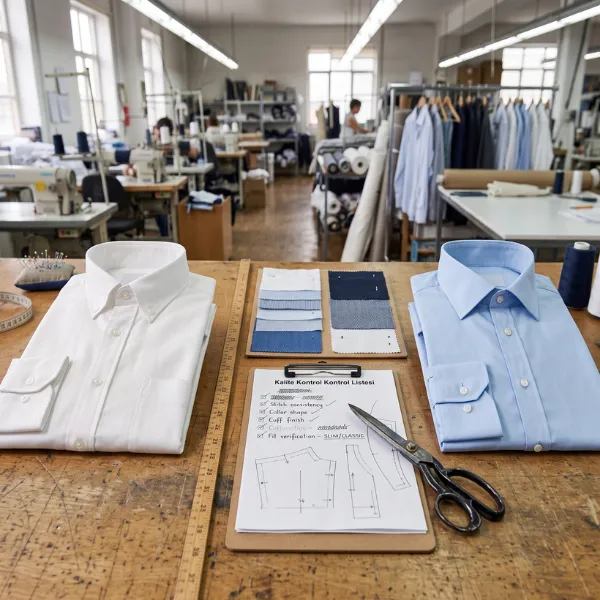
Classic and Slim Fit Men's Shirts The Details of Choosing the Right Cut for Your Brand
Choosing between classic fit and slim fit men’s shirts is an important decision for brands that want to build a strong product identity and meet the expectations of their target customers. Shirt fit affects not only appearance, but also comfort, customer satisfaction, sales performance and brand positioning.
READ MORE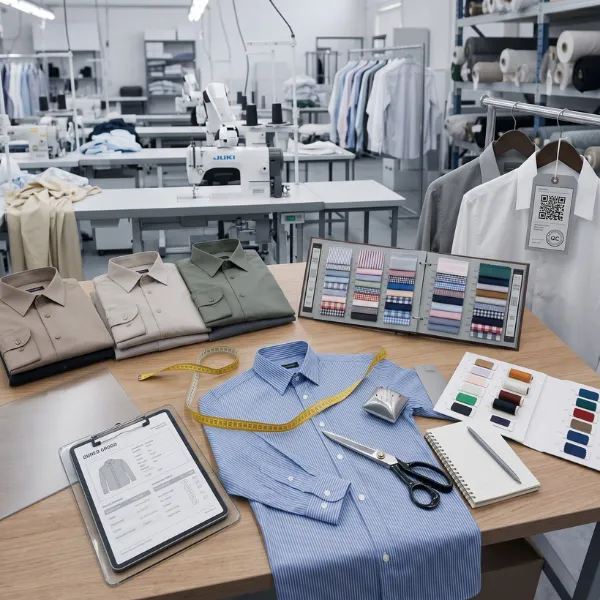
The Key to Success in Bulk Men's Shirt Orders A Practical Guide from Akçınar Giyim
Placing a bulk men’s shirt order is a critical process for businesses that serve a wide customer base. From product quality and model selection to delivery planning and cost management, every decision can directly affect stock performance, customer satisfaction and long-term profitability.
READ MORE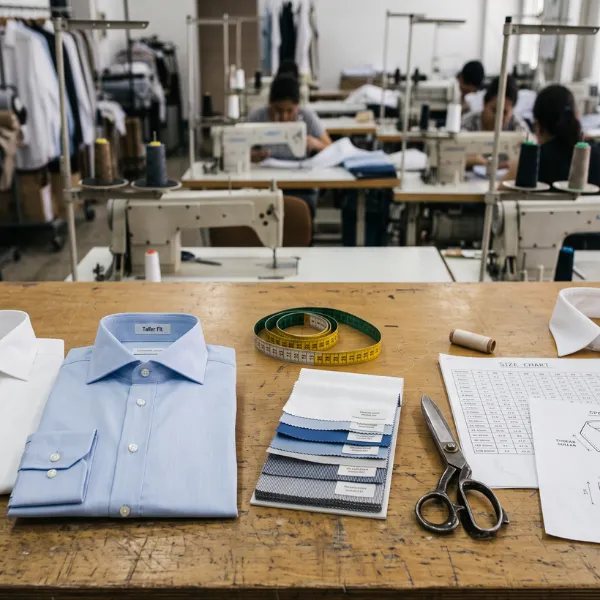
The Subtle Differences Between Men's Shirt Size and Tailor Fit Explained in Detail by Akçınar Giyim
Choosing the right men’s shirt size is one of the most important details that affects both style and comfort. A shirt may be made from high-quality fabric and have strong workmanship, but if the size or fit is not suitable for the body, it may not create the desired appearance or wearing experience.
READ MORE