Classic and Slim Fit Men's Shirts The Details of Choosing the Right Cut for Your Brand
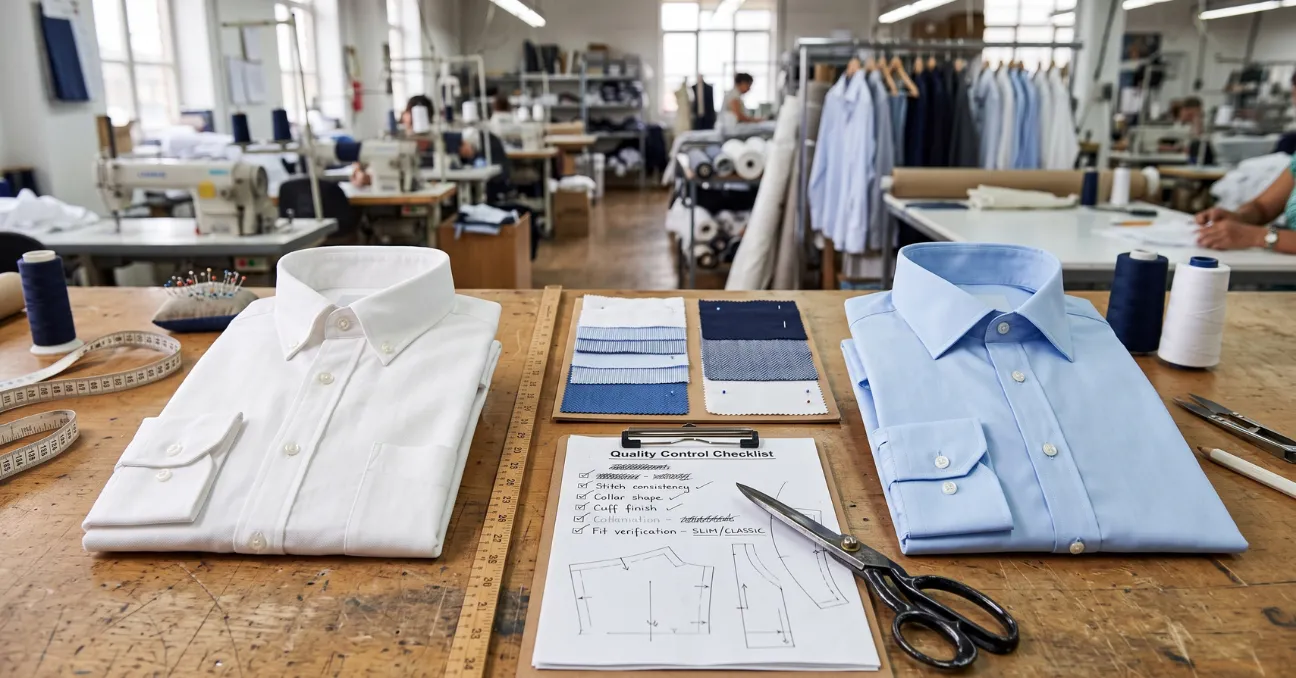
Choosing between classic fit and slim fit men’s shirts is an important decision for brands that want to build a strong product identity and meet the expectations of their target customers. Shirt fit affects not only appearance, but also comfort, customer satisfaction, sales performance and brand positioning.
For retailers, wholesalers, corporate buyers and private label brands, the right fit strategy can directly influence collection success. Akçınar Giyim’s shirt production experience and quality-focused manufacturing approach help businesses create consistent, comfortable and commercially strong men’s shirt collections.
How Men’s Shirt Fits Shape Your Brand Image
Every men’s shirt fit communicates a different brand message. A classic fit shirt may reflect comfort, tradition and formal business style, while a slim fit shirt may create a more modern, dynamic and fashion-oriented impression.
The choice between classic fit and slim fit should not be based only on visual preference. Brands should also consider customer age group, body type expectations, sales channel, market trends, usage area and regional style habits.
Akçınar Giyim’s production standards support both fit types with consistent pattern control, fabric quality and finishing details. This allows brands to create shirt collections that match their positioning while maintaining reliable production quality.
Classic Fit Shirts: Comfort and Traditional Elegance
Classic fit men’s shirts are known for their comfortable structure, wider body shape and relaxed shoulder design. They provide more movement space and are often preferred in corporate, formal and traditional business environments.
This fit is especially strong in markets where comfort, timeless style and professional appearance are important purchasing factors. Classic fit shirts can appeal to a wide customer base because they suit different body types and offer a more forgiving silhouette.
For wholesalers and corporate buyers, classic fit models can be a reliable option in bulk orders, staff uniforms, office wear collections and traditional retail product lines.
Main Advantages of Classic Fit Men’s Shirts
- Comfortable structure and wider movement space
- Strong compatibility with corporate and formal dress codes
- Suitable fit for different body types and size ranges
- Timeless appearance for traditional menswear collections
- Reliable choice for wholesale and corporate shirt orders
Slim Fit Shirts: A Modern Choice for Dynamic Brands
Slim fit men’s shirts have a closer body shape and a more defined silhouette. They are often preferred by younger, urban and fashion-conscious customers who want a sharper and more contemporary look.
For brands that focus on modern menswear, boutique collections or trend-oriented retail lines, slim fit shirts can strengthen product appeal. This fit can help create a more stylish and dynamic brand image, especially in markets where fit and visual presentation strongly influence purchasing decisions.
However, slim fit production requires careful attention to fabric flexibility, pattern accuracy and comfort. If the cut is too tight or the fabric is not suitable, the shirt may look modern but feel uncomfortable. Akçınar Giyim supports slim fit shirt production with fabric and pattern choices that balance appearance and wearability.
How Slim Fit Shirts Add Value to Brand Positioning
- Create a modern and trend-focused product image
- Appeal to younger and fashion-conscious customers
- Offer a sharper and more fitted silhouette
- Support differentiation in private label shirt production
- Work well for smart casual and urban menswear collections
Classic Fit vs Slim Fit: Which One Is Better for Your Target Market?
The right choice depends on the customer profile and sales strategy of the brand. A corporate clothing supplier may need classic fit shirts because comfort, professional appearance and size flexibility are essential for business clients.
A fashion-focused retailer, on the other hand, may benefit from slim fit models that create a more contemporary visual identity. Boutique stores, private label brands and younger menswear collections may need a stronger slim fit presence to match customer expectations.
In many cases, the best solution is not choosing only one fit. A balanced collection can include both classic fit and slim fit shirts to serve different customer groups and reduce sales risk.
Retailers and buyers who want to review different shirt categories can visit Akçınar Giyim’s shirt product groups page for more information about available models and product options.
Common Mistakes When Choosing Shirt Fits
One of the most common mistakes brands make is choosing shirt fits without analyzing their target customer. A brand that wants to reach younger and urban customers may lose sales opportunities if it offers only classic fit models.
On the other hand, a brand that focuses only on slim fit shirts may fail to serve customers who prioritize comfort, wider movement space or traditional business style. Fit strategy should be based on customer data, regional preferences and sales channel expectations.
Another common issue is ignoring fabric quality. Slim fit shirts require fabrics that support comfort and movement, while classic fit shirts need structure and form retention. If fabric and fit are not evaluated together, customer satisfaction may decrease.
How Fit Selection Affects Sales Performance
Men’s shirt fit has a direct impact on stock performance, customer feedback and repeat purchases. If the fit does not match customer expectations, even high-quality fabric may not be enough to create strong sales results.
Retailers and wholesalers should evaluate which fit types sell faster, which sizes create higher demand and which models receive more positive customer feedback. This helps improve future collection planning and inventory management.
For private label brands, fit selection also affects brand identity. A more traditional brand may build trust through classic fit models, while a modern menswear brand may use slim fit shirts to communicate a sharper and more contemporary image.
Fabric, Pattern and Quality Control in Fit-Based Shirt Production
Fit accuracy depends on more than the pattern alone. Fabric texture, shrinkage behavior, stitching quality, collar structure, cuff balance and measurement consistency all influence the final result.
Before bulk production begins, sample approval is essential. Buyers should review shoulder width, chest comfort, sleeve length, collar fit, button placement and overall silhouette. This step helps prevent production errors and improves consistency across the full order.
Akçınar Giyim’s quality control approach supports both classic fit and slim fit shirt production with careful inspection at different production stages. This helps brands reduce risk and maintain stronger product standards.
Private Label Shirt Production and Fit Strategy
For private label brands, shirt fit is one of the most visible parts of product identity. Customers often remember how a shirt feels and fits more than technical production details.
A private label brand should decide whether it wants to be associated with timeless comfort, modern tailoring, office wear, smart casual style or trend-oriented menswear. This positioning should guide the fit selection before production begins.
Akçınar Giyim supports private label and wholesale buyers with model development, sample review and production planning. This allows brands to create shirt lines that reflect their identity and meet customer expectations more accurately.
Realistic Scenario: Building a Balanced Men’s Shirt Collection
Imagine a retailer preparing a new men’s shirt collection for both office customers and younger smart casual buyers. If the collection includes only classic fit shirts, it may miss the demand from customers looking for a more modern silhouette.
If the collection includes only slim fit shirts, customers who prefer comfort and wider size flexibility may not find suitable options. A balanced collection can include classic fit shirts for formal and corporate use, and slim fit shirts for modern daily wear and fashion-focused buyers.
This type of planning helps reduce inventory risk, serve a wider audience and create a more complete menswear product line.
Checklist Before Choosing Classic Fit or Slim Fit Shirts
- Define your target customer profile and age group.
- Analyze whether your customers prioritize comfort, style or both.
- Review your sales channel: retail, wholesale, corporate or private label.
- Decide whether your collection needs classic fit, slim fit or mixed models.
- Check fabric quality, flexibility and seasonal suitability.
- Approve samples before bulk production begins.
- Review size distribution according to your customer base.
- Evaluate fit strategy together with brand positioning and sales goals.
Common Mistakes in Classic Fit and Slim Fit Shirt Orders
- Choosing fit only according to personal preference
- Ignoring target customer expectations
- Offering only one fit type to a diverse customer base
- Using unsuitable fabric for slim fit production
- Not checking sample comfort before bulk production
- Planning size distribution without sales data
- Ignoring regional and market-specific style preferences
- Choosing a manufacturer only according to price
How Akçınar Giyim Supports Fit-Based Shirt Production
Akçınar Giyim supports retailers, wholesalers, corporate buyers and private label brands with high-quality men’s shirt production focused on fabric selection, model development, fit consistency and production control.
Whether a brand needs classic fit shirts, slim fit shirts or a balanced product range, working with an experienced manufacturer helps reduce production risks and create stronger collections. Akçınar Giyim’s production experience and customer-focused approach make fit selection clearer and more reliable for long-term business planning.
In Summary: The Right Shirt Fit Strengthens Your Brand Strategy
Classic fit and slim fit men’s shirts serve different customer expectations. Classic fit models offer comfort, traditional elegance and size flexibility, while slim fit models support a modern, dynamic and trend-oriented brand image.
The best fit strategy depends on your target market, sales channel, fabric selection, brand identity and customer expectations. With Akçınar Giyim’s production experience and quality-focused approach, brands can create men’s shirt collections that are stylish, comfortable and commercially successful.
Similar Blogs

Key Factors Affecting Prices in Wholesale Purchasing and Common Cost Mistakes
Wholesale price factors play a critical role in purchasing decisions for fashion brands, retailers, boutique sellers, private label companies and corporate buyers. In bulk purchasing, the final price is not shaped only by the product itself; fabric quality, workmanship, production planning, logistics, order volume and market dynamics all influence the total cost.
READ MORE
5 Key Factors Affecting Costs in Bulk Men's Shirt Production
Cost calculations in high-volume men’s shirt production form the foundation of purchasing strategies for wholesalers, boutique sellers, private label brands and corporate buyers. Understanding the main factors that influence bulk production costs helps businesses manage budgets more accurately while protecting product quality.
READ MORE
Critical Elements You Need to Know for Successful Export in the European and U.S. Textile Markets
Exporting textile products to Europe and the United States requires more than production capacity and competitive pricing. Each market has its own consumer expectations, legal requirements, certification standards, logistics dynamics and brand communication habits.
READ MORE
Critical Considerations in the Wholesale Shirt Purchasing Process
Buying shirts in bulk is not only about choosing models and comparing prices. For retailers, wholesalers, corporate buyers and private label brands, the success of a shirt order depends on fit selection, fabric quality, cost planning, color variety, delivery reliability, quality control and after-sales support.
READ MORE
How Is the Quality Control Process Managed in Bulk Shirt Orders?
In bulk shirt orders, ensuring that every product carries the same quality standard is just as important as delivering the order on time. Small differences in a few pieces may create a limited issue in individual sales, but in production volumes of hundreds or thousands of shirts, these differences can turn into serious costs.
READ MORE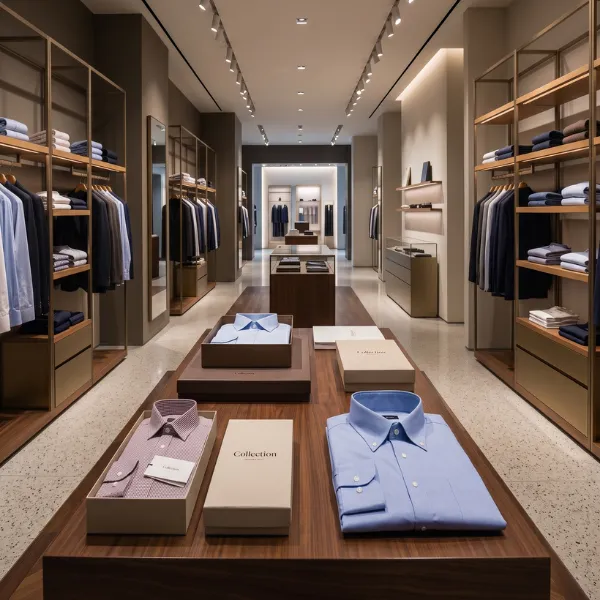
The Details of Quality Control Process with Akçınar Giyim in Bulk Shirt Orders
Akçınar Giyim approaches bulk shirt order quality control as a structured process that begins before production and continues until final shipment. By defining clear standards, approving samples and inspecting production stages, businesses can reduce the risk of inconsistent products, customer complaints and delivery problems.
READ MORE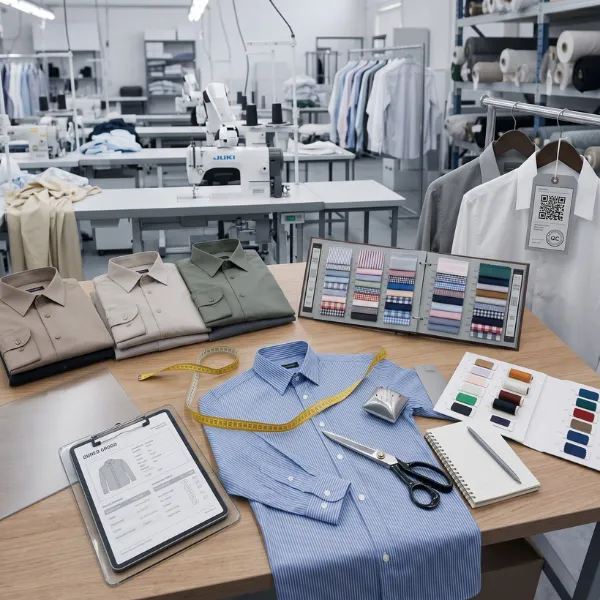
The Key to Success in Bulk Men's Shirt Orders A Practical Guide from Akçınar Giyim
Placing a bulk men’s shirt order is a critical process for businesses that serve a wide customer base. From product quality and model selection to delivery planning and cost management, every decision can directly affect stock performance, customer satisfaction and long-term profitability.
READ MORE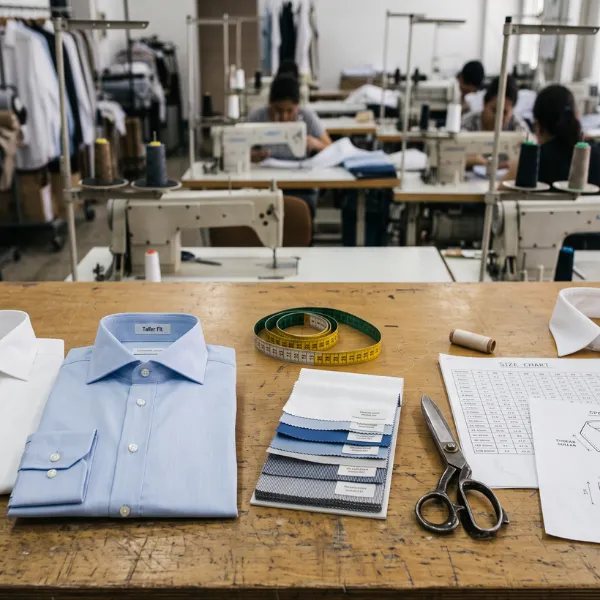
The Subtle Differences Between Men's Shirt Size and Tailor Fit Explained in Detail by Akçınar Giyim
Choosing the right men’s shirt size is one of the most important details that affects both style and comfort. A shirt may be made from high-quality fabric and have strong workmanship, but if the size or fit is not suitable for the body, it may not create the desired appearance or wearing experience.
READ MORE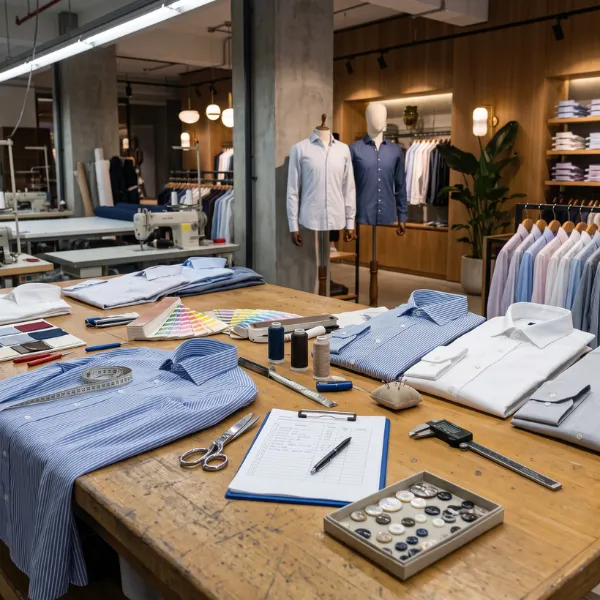
Nuances of Quality Control in Shirt Production for European and U.S. Markets
Quality control in shirt production is a critical process for apparel brands, wholesalers, private label companies and retailers that target European and U.S. markets. These markets are known for high product expectations, strict quality standards and strong attention to details such as fabric performance, stitching consistency, fit accuracy and finishing quality.
READ MORE
Strengthen Your Store with Akçınar Giyims Wholesale Options in Classic Fit and Slim Fit Shirts
Choosing between classic fit and slim fit shirts is an important decision for retailers, wholesalers, private label brands and corporate buyers. Each fit type serves a different customer expectation, and the right product mix can directly influence stock performance, customer satisfaction and repeat sales.
READ MORE