Critical Factors That Affect Custom Sweatshirt Production Costs A Practical Guide

Understanding custom sweatshirt production costs is essential because cost does not only affect the final product price; it also directly shapes your brand’s sustainability, profitability, and competitive position. Whether you are a clothing brand, retailer, or fashion designer, analyzing and managing production costs correctly is one of the most important steps in building a reliable and scalable product line. In this guide, we break down the key factors that influence custom sweatshirt manufacturing costs and provide a practical framework to help you optimize your budget.
Main Factors That Determine Custom Sweatshirt Production Cost
1. Fabric Selection and Quality
Fabric is one of the most important cost components in sweatshirt production. Sustainable options such as organic cotton, recycled materials, or technical fabrics are usually more expensive than standard alternatives, but they can strengthen your brand’s ethical positioning and perceived quality. Choosing the right fabric requires balancing performance, aesthetics, and long-term brand value.
2. Design Complexity and Production Techniques
The details used in custom sweatshirts, such as embroidery, printing, appliqué, special stitching, or construction techniques, directly affect total production cost. Minimal designs are generally faster and more cost-efficient to manufacture, while more layered or technically detailed designs require additional labor, machine time, and quality control processes.
3. Order Quantity and Production Scale
Bulk production lowers unit cost, while small-batch production usually increases it. For emerging brands, this is a critical issue. Machine setup, pattern preparation, and labor efficiency improve significantly at higher production volumes, making larger runs more cost-effective in most cases.
When evaluating production planning, it may also be useful to review broader knitted apparel production approaches that align with your product category and scaling goals.
4. Labor and Manufacturing Location
Countries with strong textile infrastructure, such as Turkey, can offer an effective balance between quality and cost. When selecting the right manufacturing partner, brands should evaluate labor quality, delivery reliability, production standards, and quality assurance systems alongside price.
5. Certification and Sustainability Standards
Manufacturers working with sustainable materials and certified production systems may operate at a higher cost level, but these standards can positively influence brand trust and market differentiation. Ethical production, transparent sourcing, and recognized compliance standards are particularly important for brands targeting international buyers.
Practical Checklist for Managing Custom Sweatshirt Production Costs
- Clarify your fabric selection from the beginning
- Balance design details with realistic cost analysis
- Plan production quantities around economic minimums
- Choose a production partner with strong quality and labor standards
- Define your sustainability and certification priorities clearly
Example Scenario: Producing 1,000 Sustainable Sweatshirts
Imagine a fashion brand that wants to produce custom sweatshirts using organic cotton. The design is simple and minimal, with no print application, and the total order volume is 1,000 pieces. In this case, the cost structure would typically be shaped by the following elements:
- Fabric Cost: Organic cotton is generally more expensive than standard fabric options.
- Labor: High-quality and ethically managed production may come at a slightly higher cost, but it supports product value and brand credibility.
- Scale Advantage: A production volume of 1,000 units helps reduce the cost per piece.
- Quality Control: Additional control processes increase production reliability and reduce the risk of defects or returns.
This type of scenario shows how brands with sustainability goals can still create a balanced cost structure without compromising quality.
Conclusion: Manage Costs Strategically to Build Competitive Advantage
Custom sweatshirt production cost is influenced by multiple interconnected factors, including fabric choice, labor quality, production quantity, and sustainability standards. With the right planning and the right manufacturing partner, brands can build a production structure that is both commercially efficient and ethically strong.
Working with an experienced manufacturer such as Akçınar Giyim can help brands manage quality, scalability, and production consistency more effectively. By analyzing costs strategically, you can create a more sustainable and competitive manufacturing model for your brand.
Similar Blogs
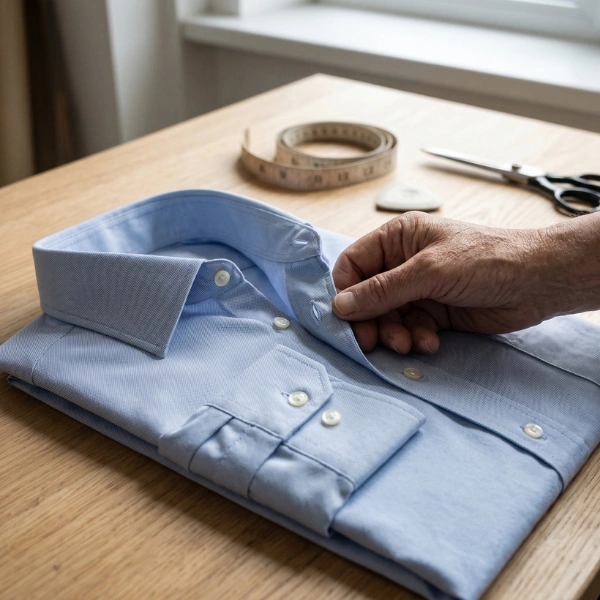
How Can You Tell a Quality Men's Shirt?
In menswear, shirts are among the most frequently preferred garments for both everyday wear and business life. However, not every shirt has the same level of quality. Many elements, from the fabric structure and stitching details to the fit and collar shape, determine the quality of a men's shirt. Therefore, when choosing a shirt, it is important to consider not only its color and style but also the details that indicate production quality.
READ MORE
Important Factors Affecting Costs When Buying Wholesale
When buying wholesale, material quality is one of the most important factors determining costs. Cotton, polyester, and blended fabrics each have a different pricing level. For example, although high-quality cotton fabrics are more durable and comfortable, they place direct upward pressure on costs. The quality of the yarn used and the weaving density are also among the technical details that affect the price.
READ MORE
Details to Keep in Mind Before Placing a Custom Design Orde
Before placing a custom design order, the first step is to fully define the expectations related to the product. Determining elements such as fabric quality, color palette, cut details and intended use in detail helps prevent misunderstandings that may arise during the production process. Technical drawings or sample requests shared with the supplier are critical for ensuring that the order is understood correctly. At this stage, originality and functionality should be balanced by considering fashion trends and the demands of the target audience.
READ MORE
Key Factors Affecting Prices in Wholesale Purchasing and Common Cost Mistakes
Wholesale price factors play a critical role in purchasing decisions for fashion brands, retailers, boutique sellers, private label companies and corporate buyers. In bulk purchasing, the final price is not shaped only by the product itself; fabric quality, workmanship, production planning, logistics, order volume and market dynamics all influence the total cost.
READ MORE
5 Key Factors Affecting Costs in Bulk Men's Shirt Production
Cost calculations in high-volume men’s shirt production form the foundation of purchasing strategies for wholesalers, boutique sellers, private label brands and corporate buyers. Understanding the main factors that influence bulk production costs helps businesses manage budgets more accurately while protecting product quality.
READ MORE
Critical Elements You Need to Know for Successful Export in the European and U.S. Textile Markets
Exporting textile products to Europe and the United States requires more than production capacity and competitive pricing. Each market has its own consumer expectations, legal requirements, certification standards, logistics dynamics and brand communication habits.
READ MORE
Critical Considerations in the Wholesale Shirt Purchasing Process
Buying shirts in bulk is not only about choosing models and comparing prices. For retailers, wholesalers, corporate buyers and private label brands, the success of a shirt order depends on fit selection, fabric quality, cost planning, color variety, delivery reliability, quality control and after-sales support.
READ MORE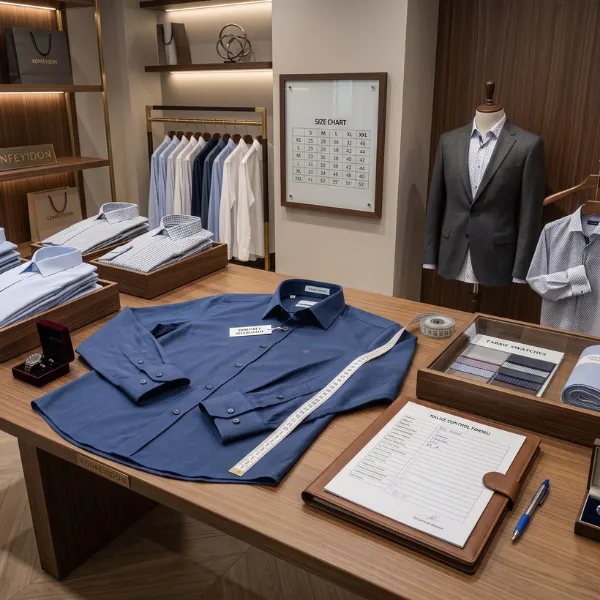
How Is the Quality Control Process Managed in Bulk Shirt Orders?
In bulk shirt orders, ensuring that every product carries the same quality standard is just as important as delivering the order on time. Small differences in a few pieces may create a limited issue in individual sales, but in production volumes of hundreds or thousands of shirts, these differences can turn into serious costs.
READ MORE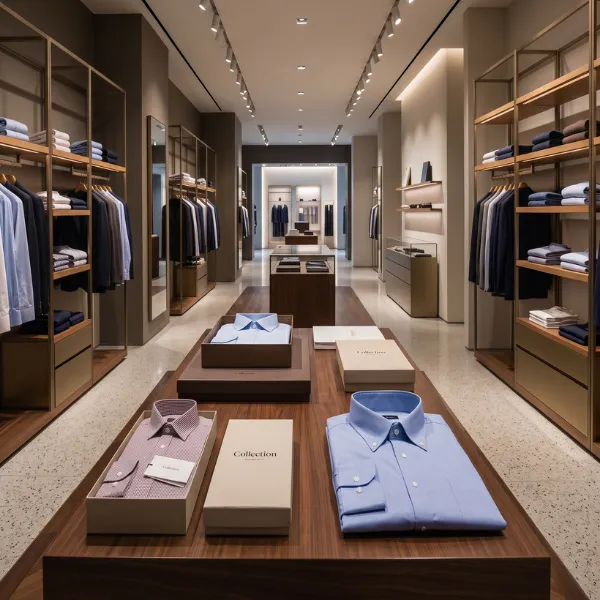
The Details of Quality Control Process with Akçınar Giyim in Bulk Shirt Orders
Akçınar Giyim approaches bulk shirt order quality control as a structured process that begins before production and continues until final shipment. By defining clear standards, approving samples and inspecting production stages, businesses can reduce the risk of inconsistent products, customer complaints and delivery problems.
READ MORE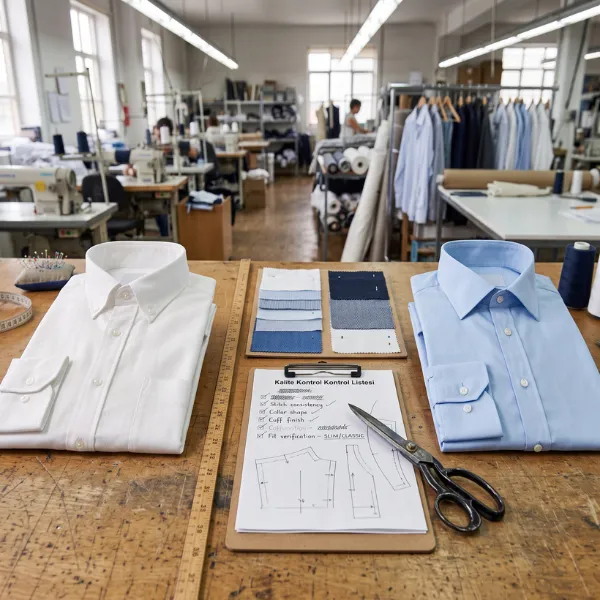
Classic and Slim Fit Men's Shirts The Details of Choosing the Right Cut for Your Brand
Choosing between classic fit and slim fit men’s shirts is an important decision for brands that want to build a strong product identity and meet the expectations of their target customers. Shirt fit affects not only appearance, but also comfort, customer satisfaction, sales performance and brand positioning.
READ MORE